|
~ NAS North Island , California ~
~ SARDIP ~
~ (Stricken Aircraft Reclamation Disposal
Program) ~
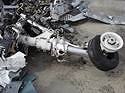
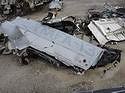
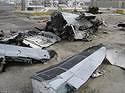
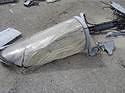
Please click a thumbnail to view the larger
image.
Images will open in a new window.
|
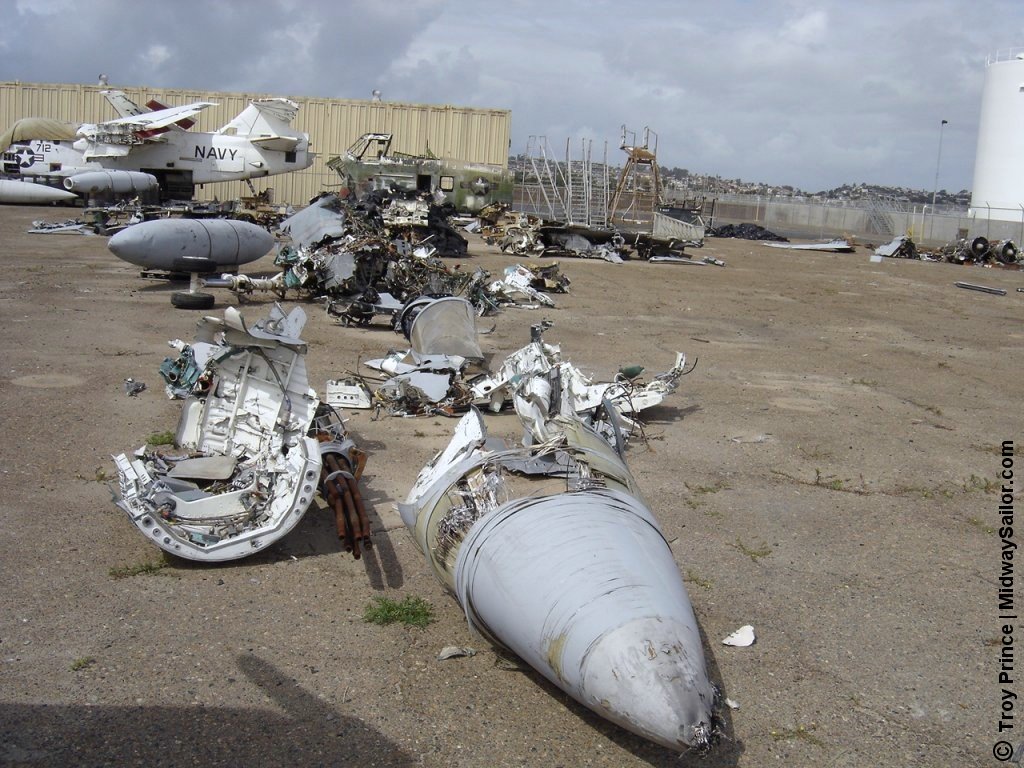
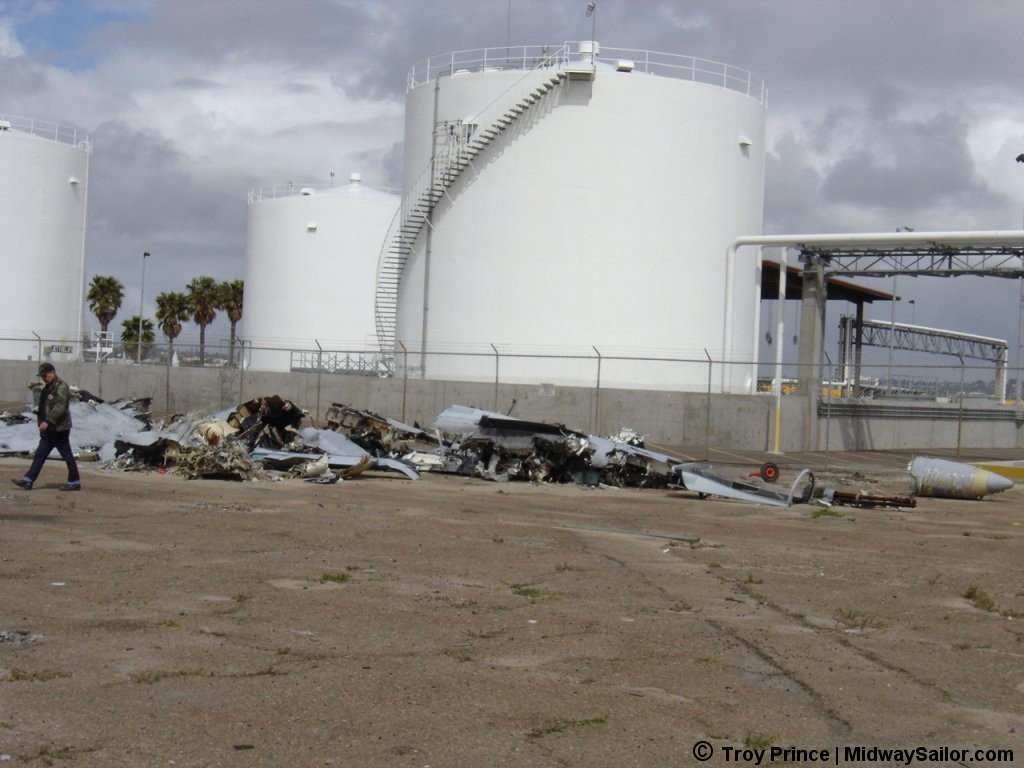
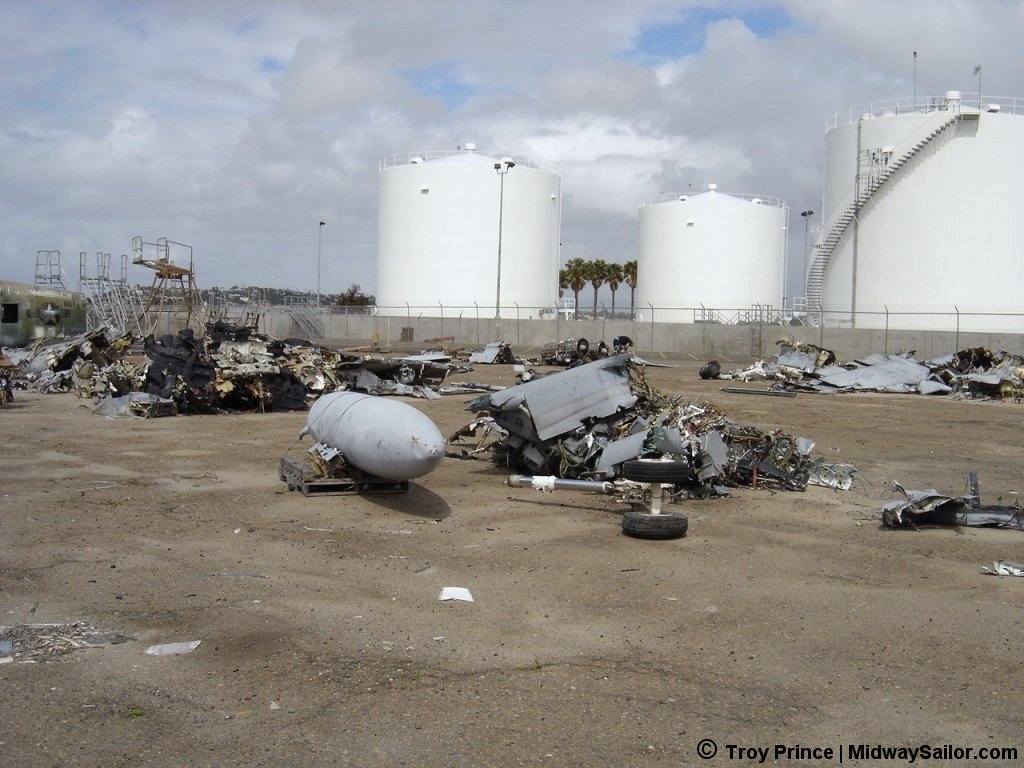
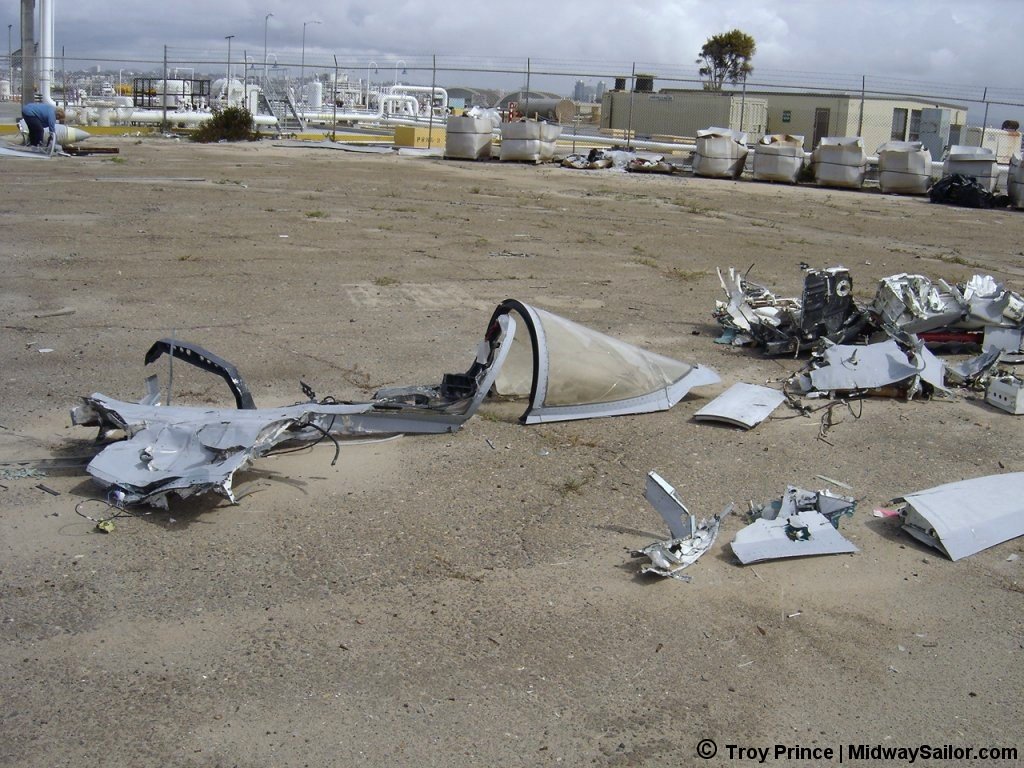
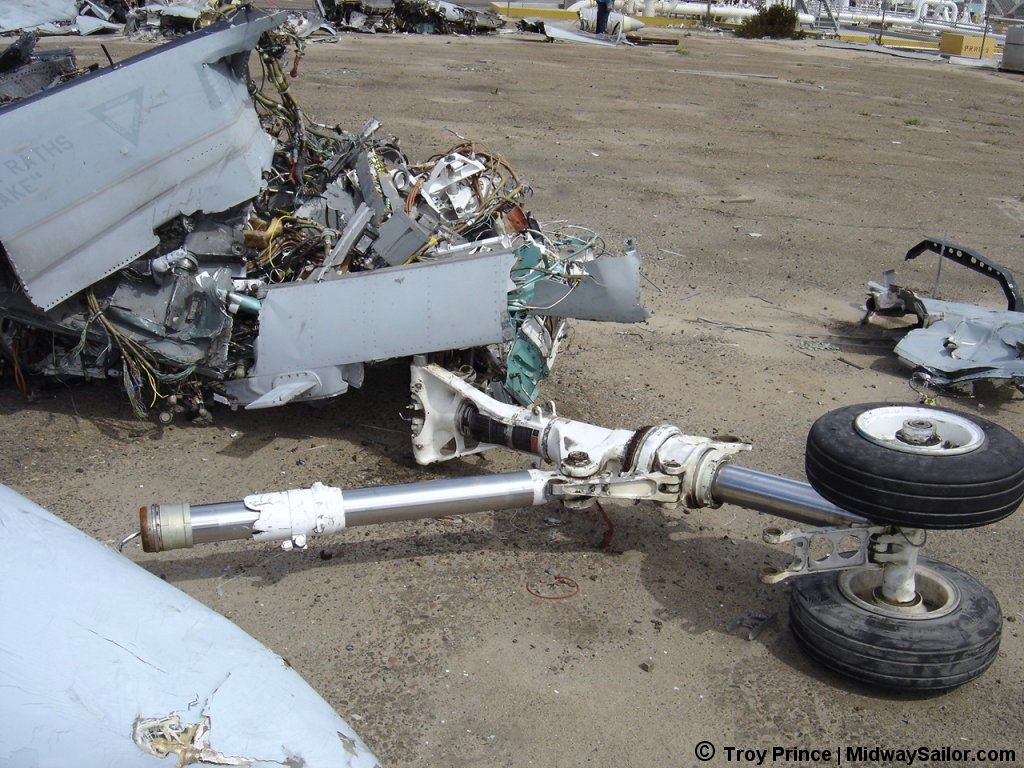
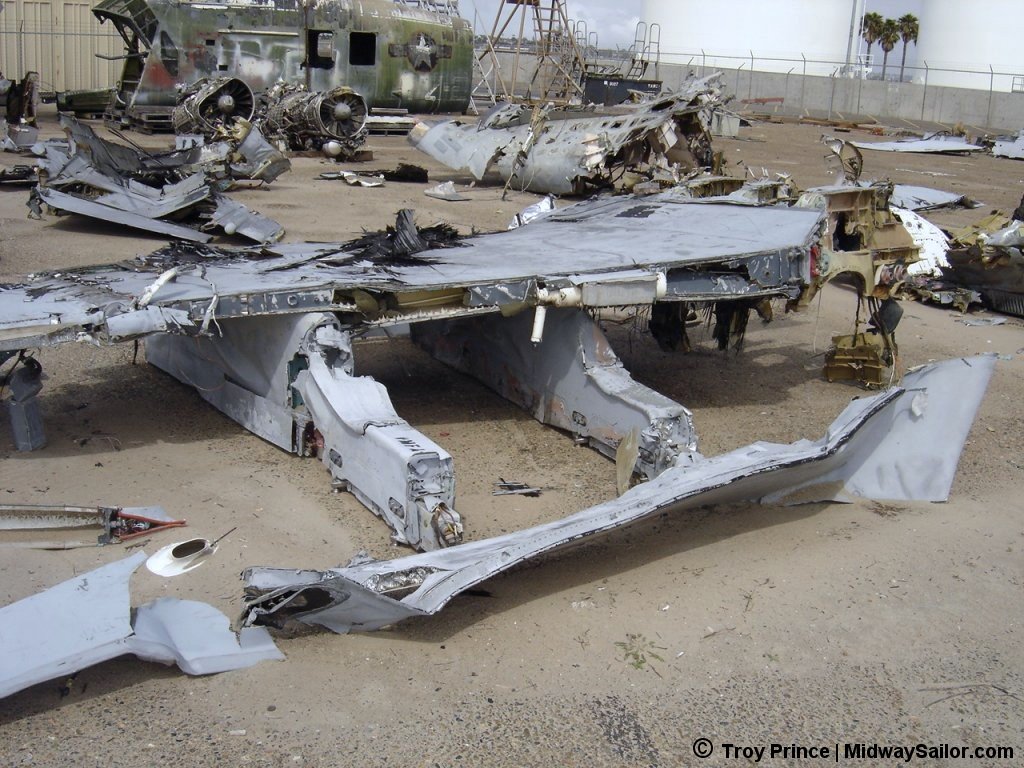
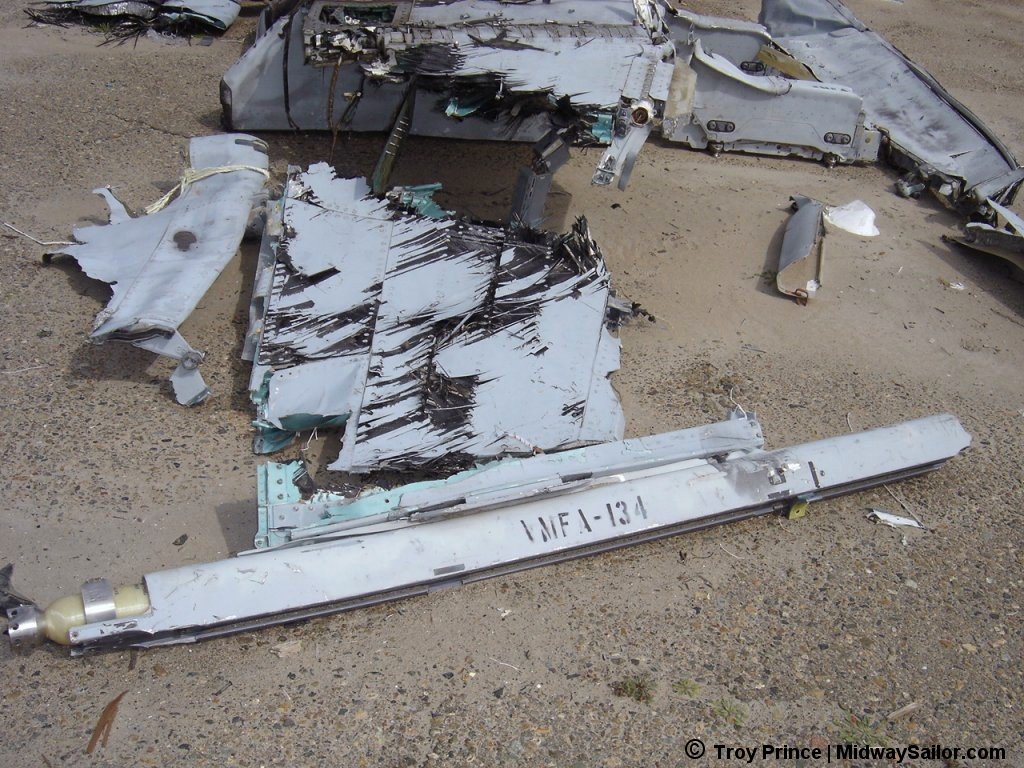
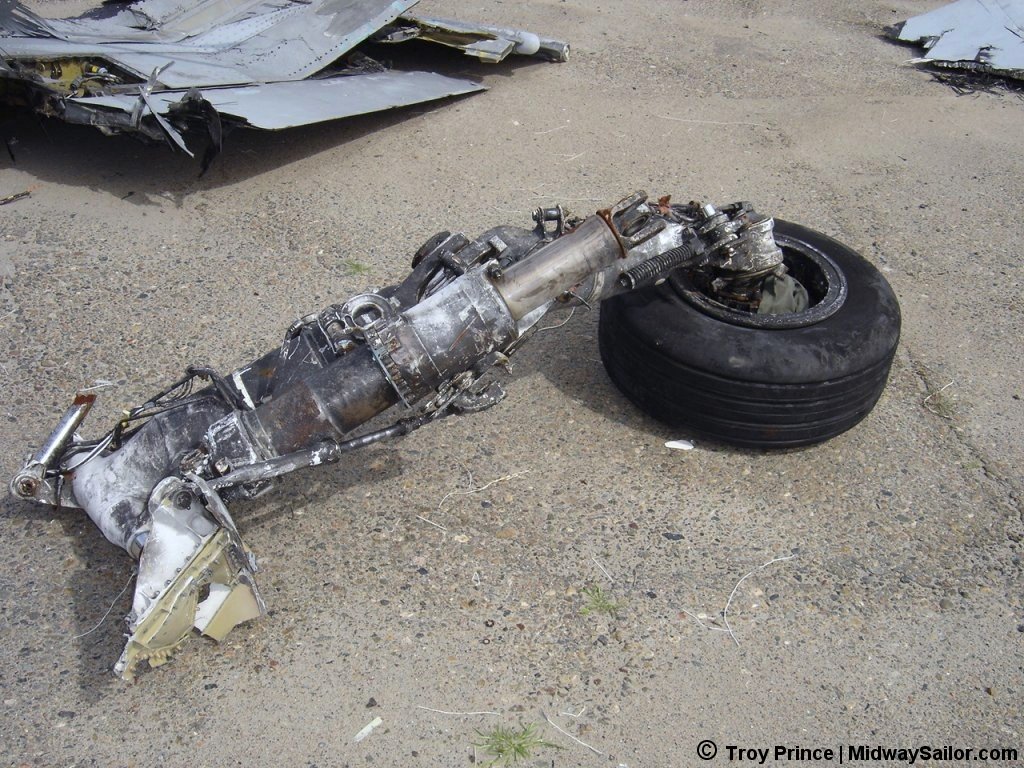
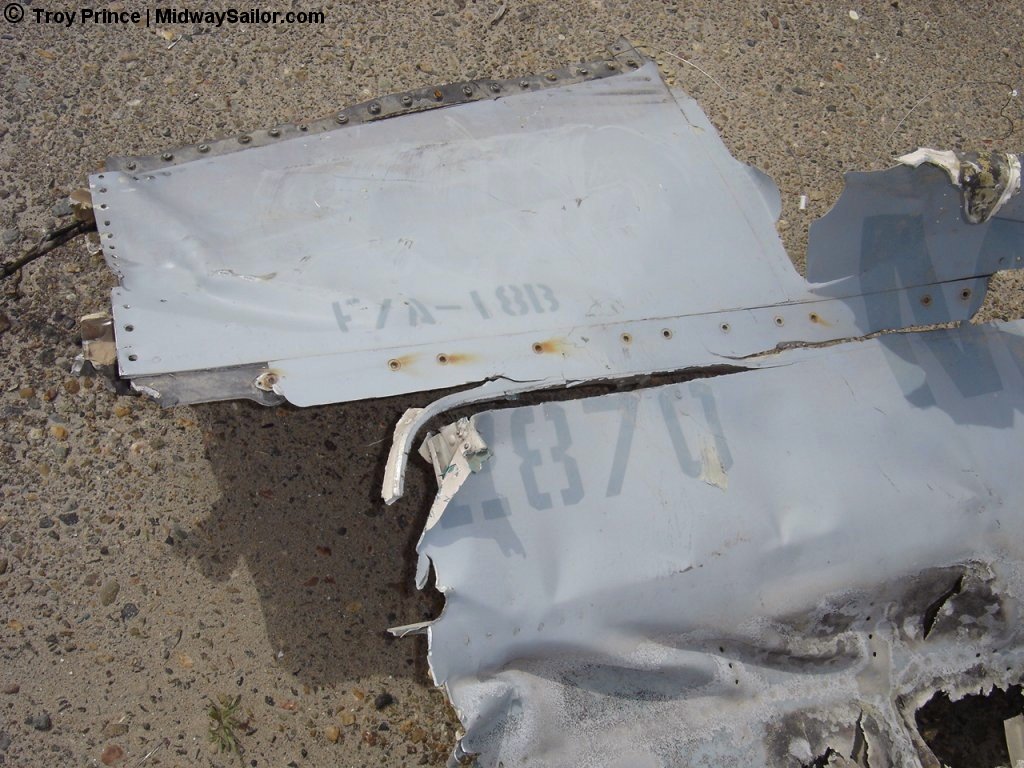
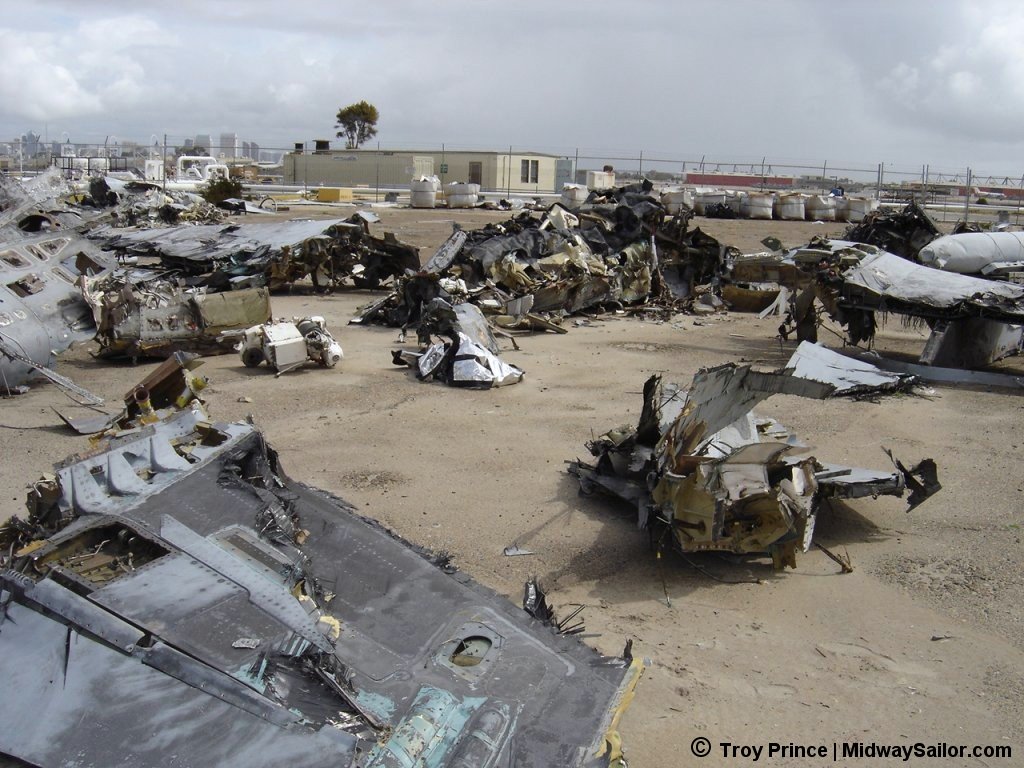
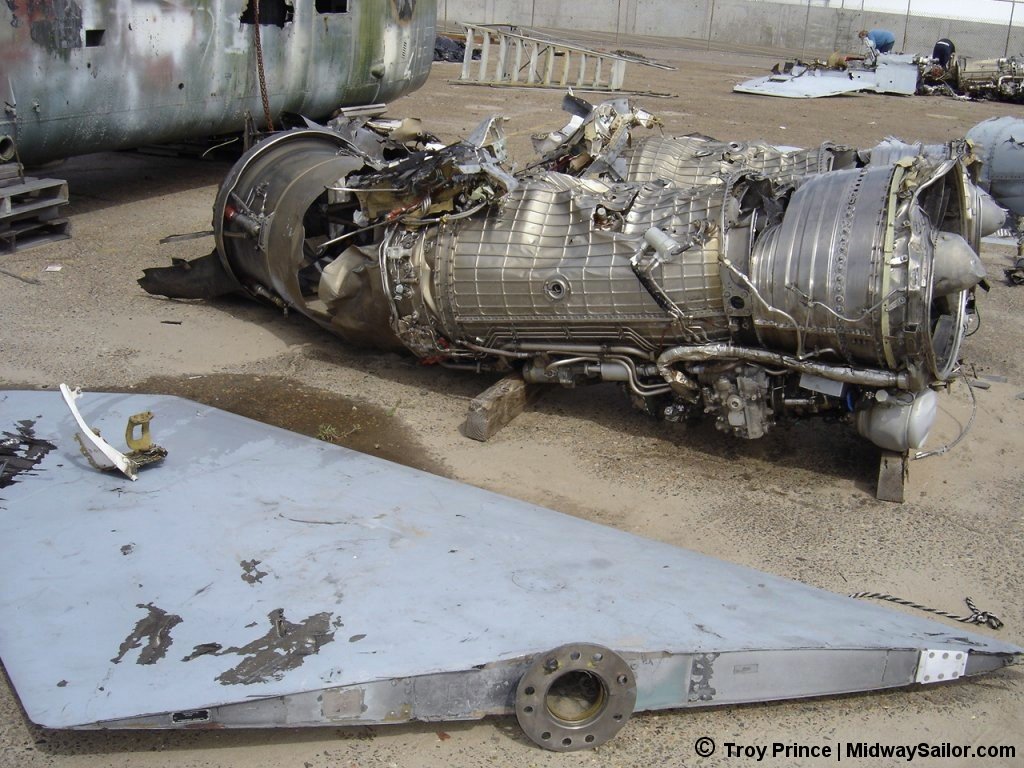
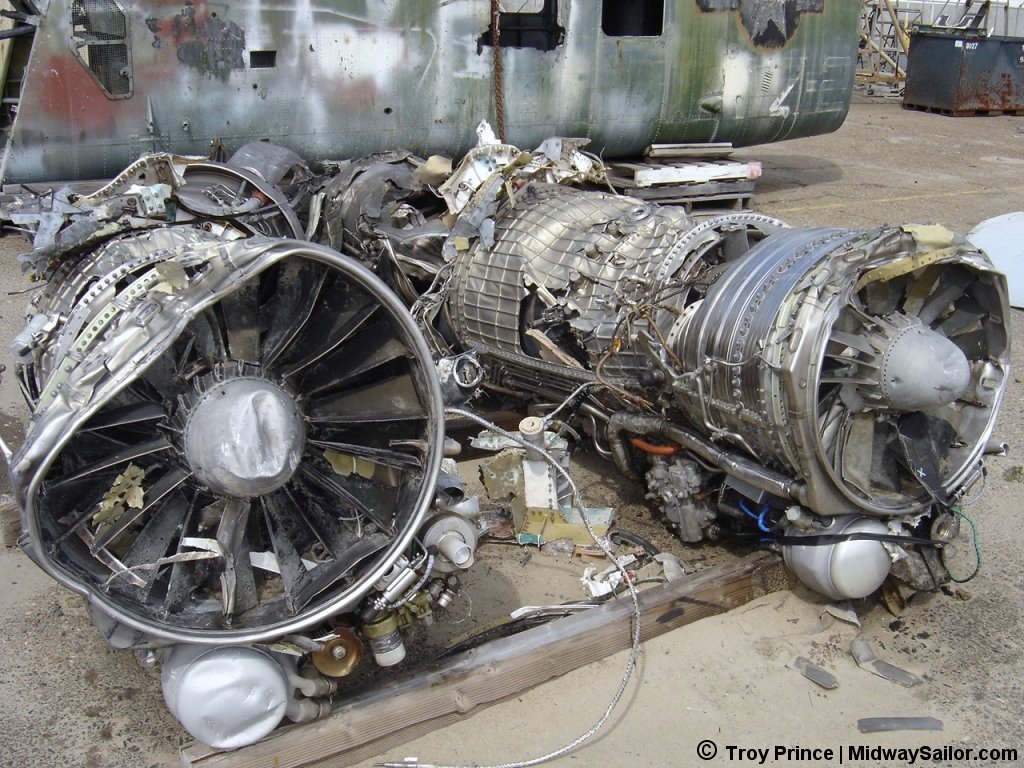
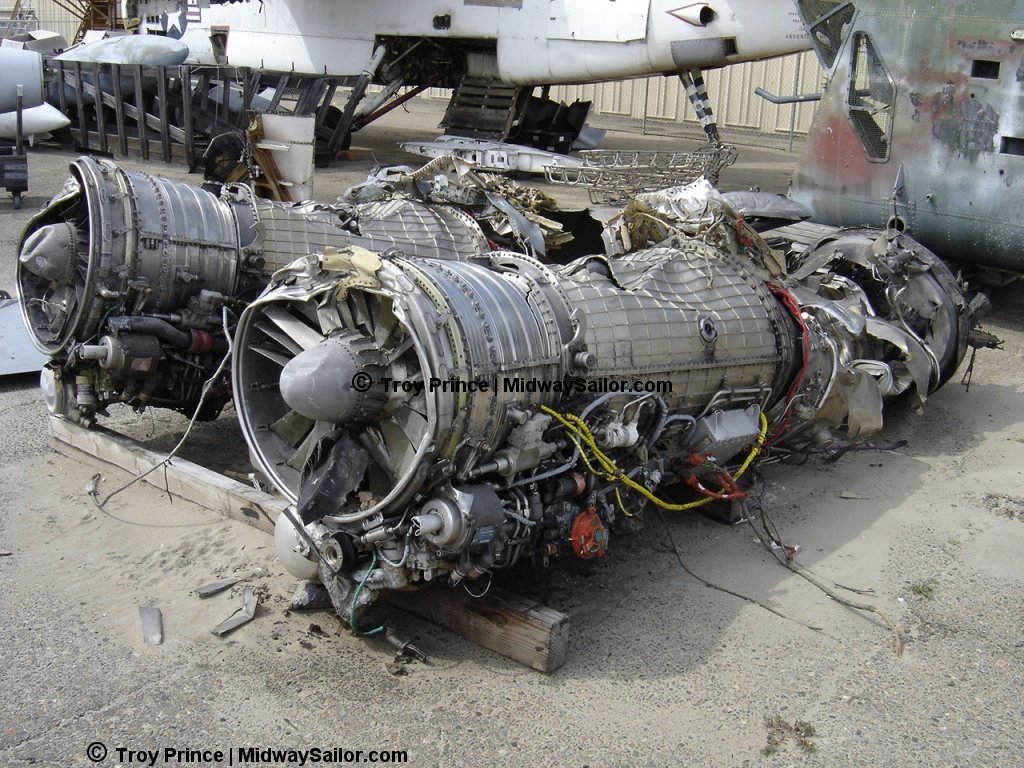
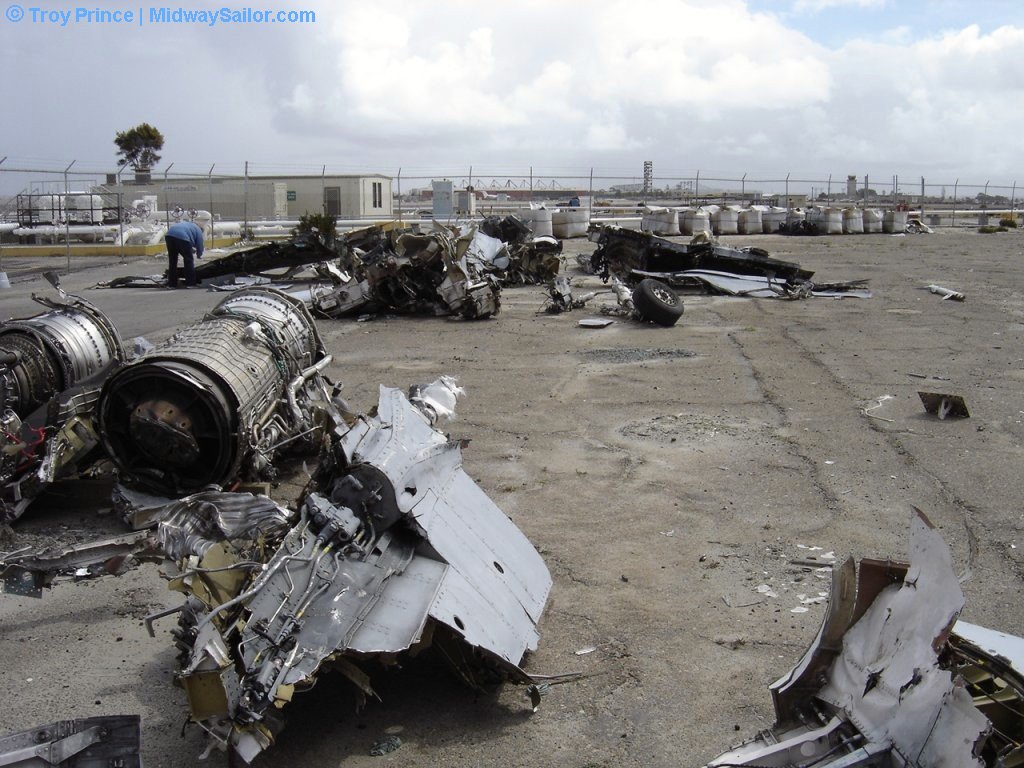
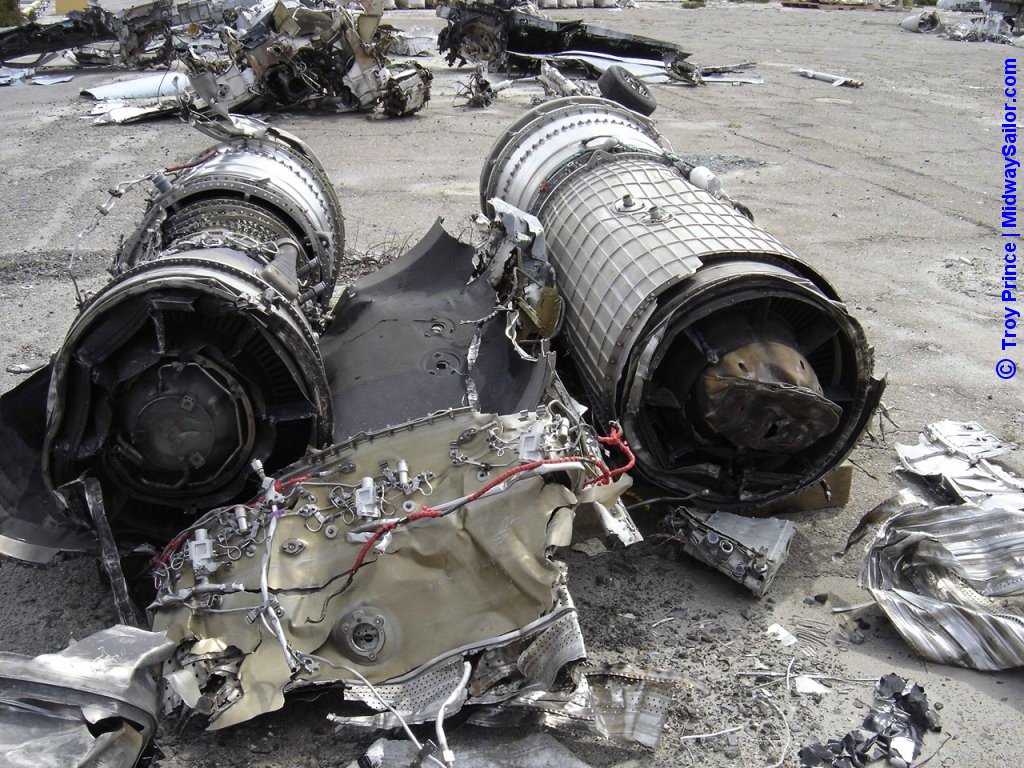
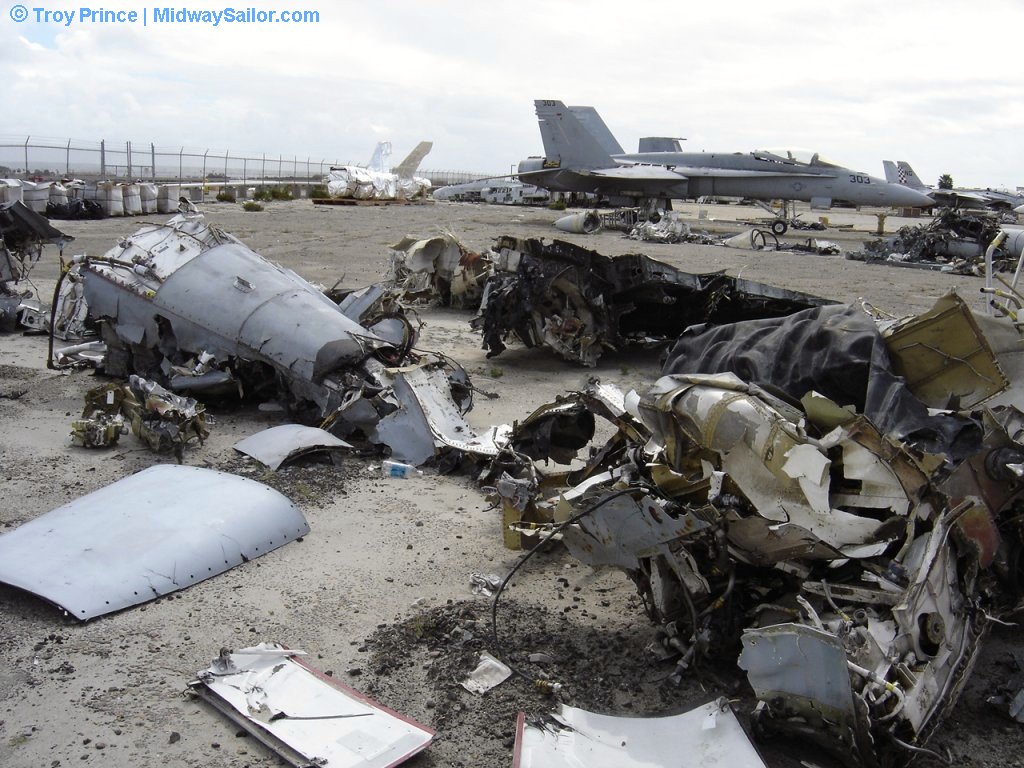
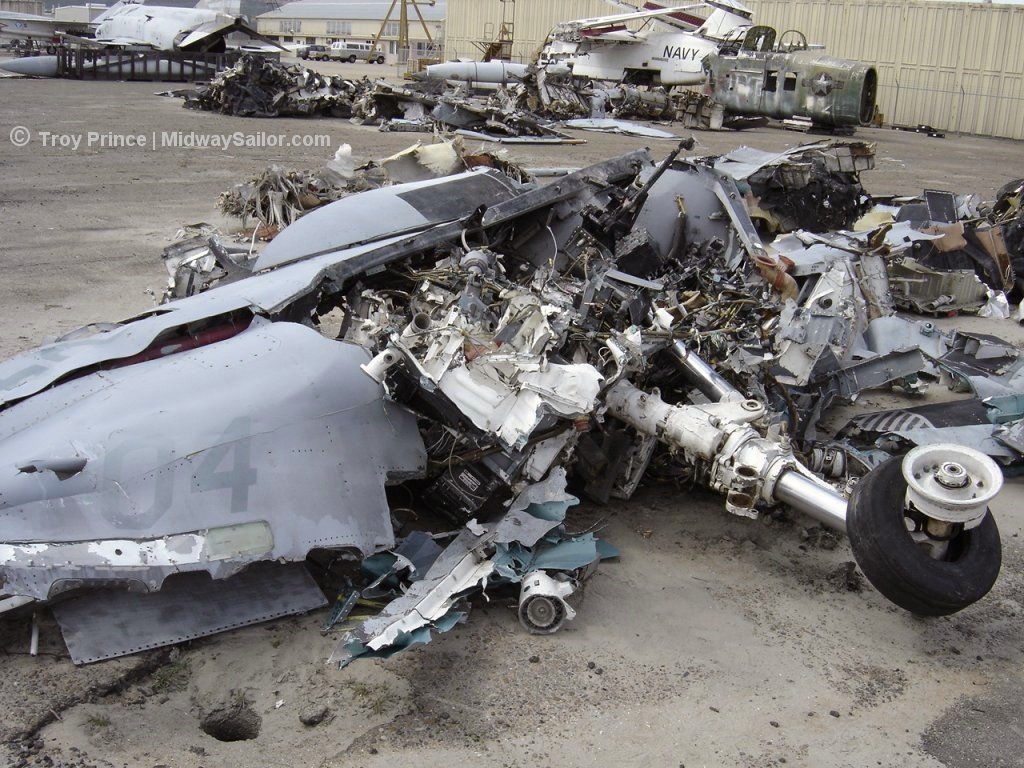
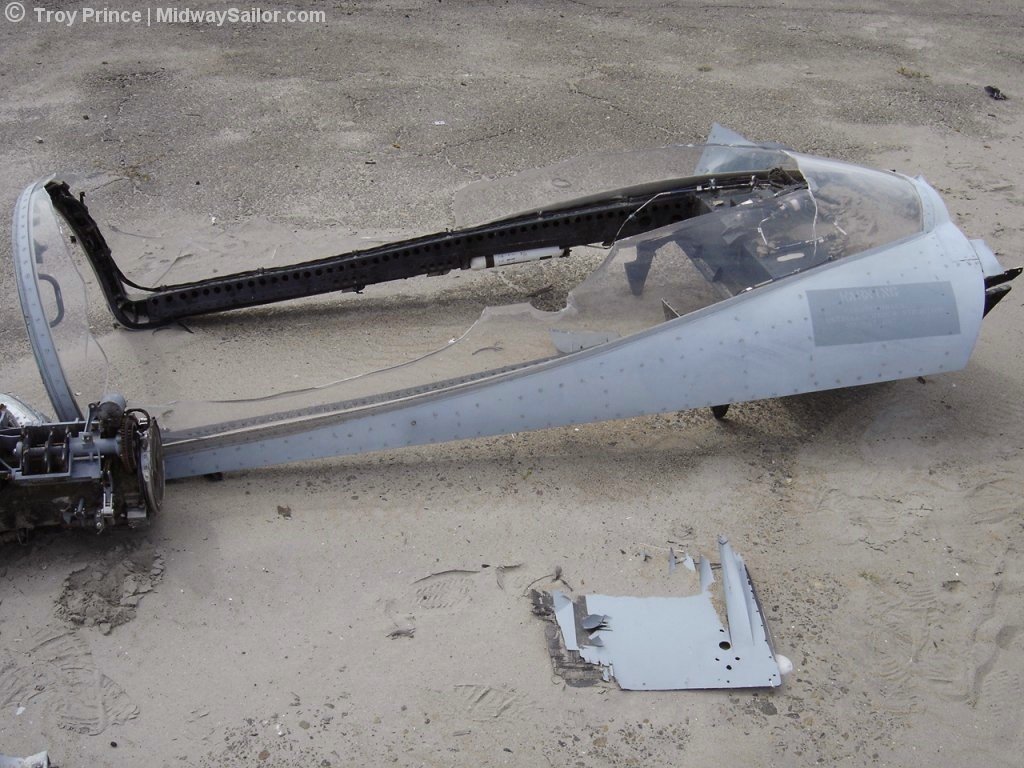
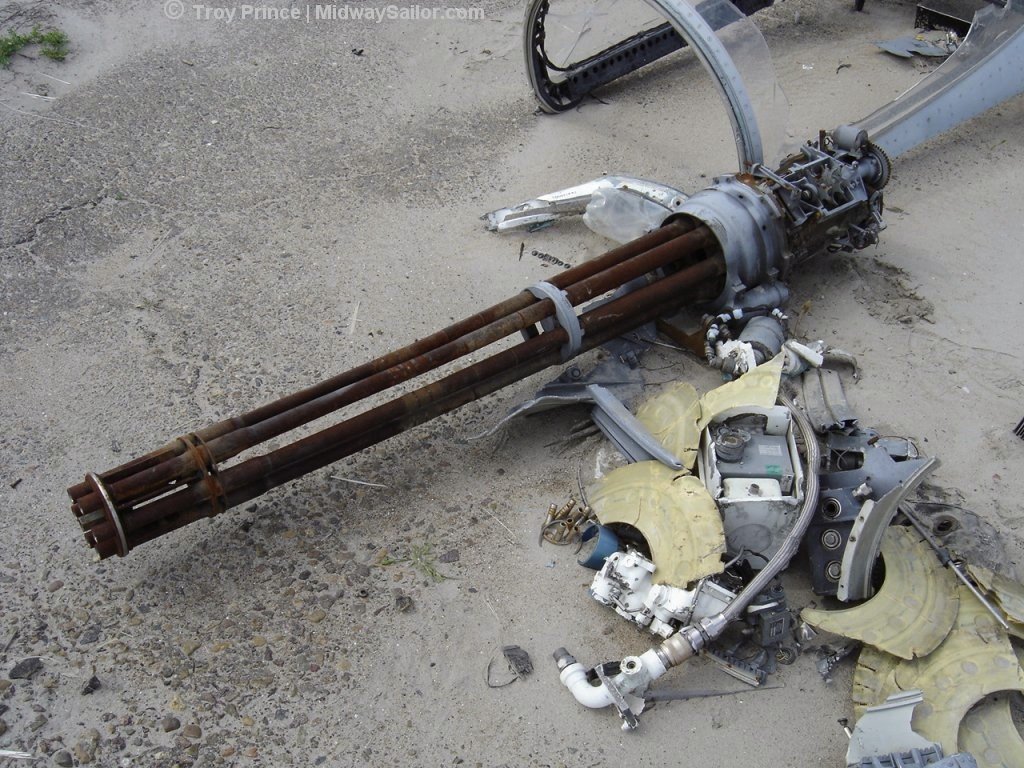
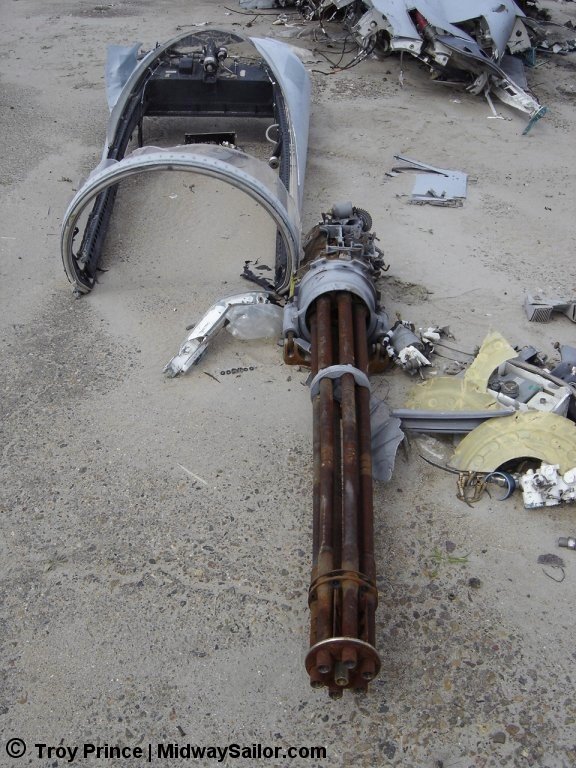
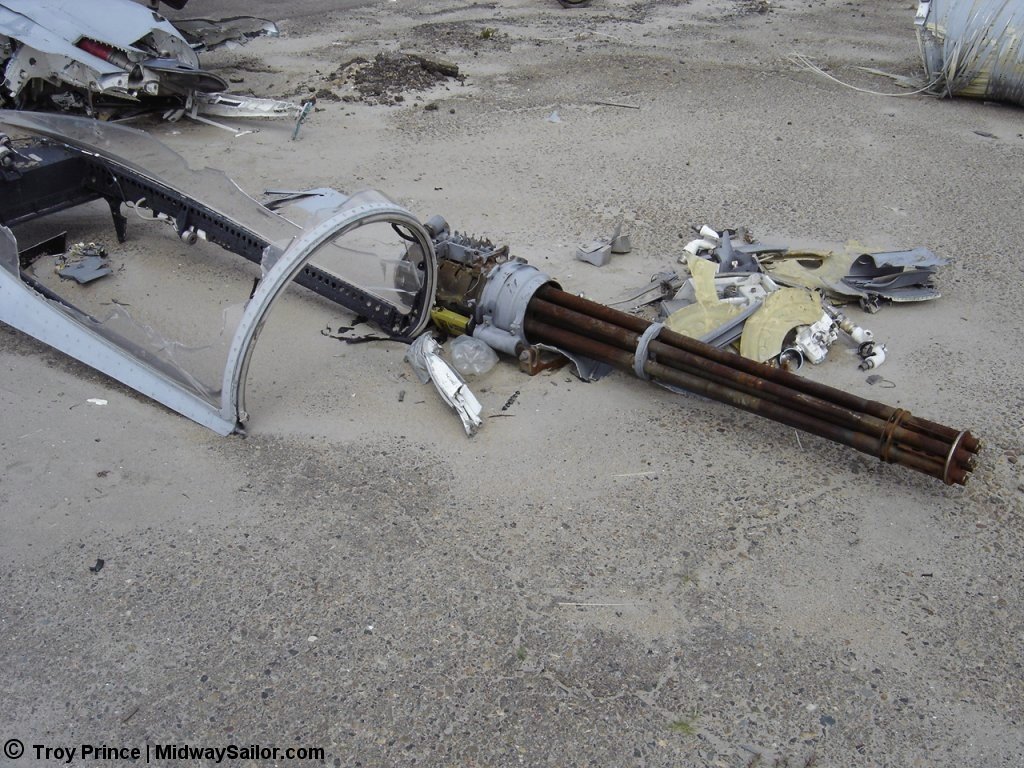
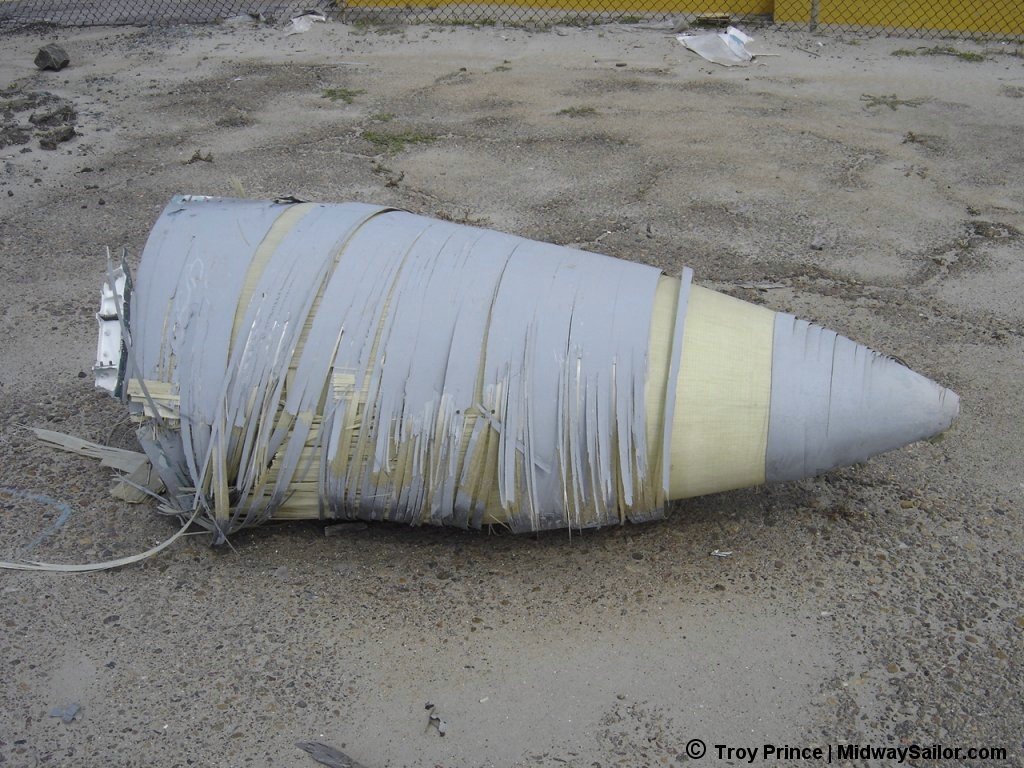
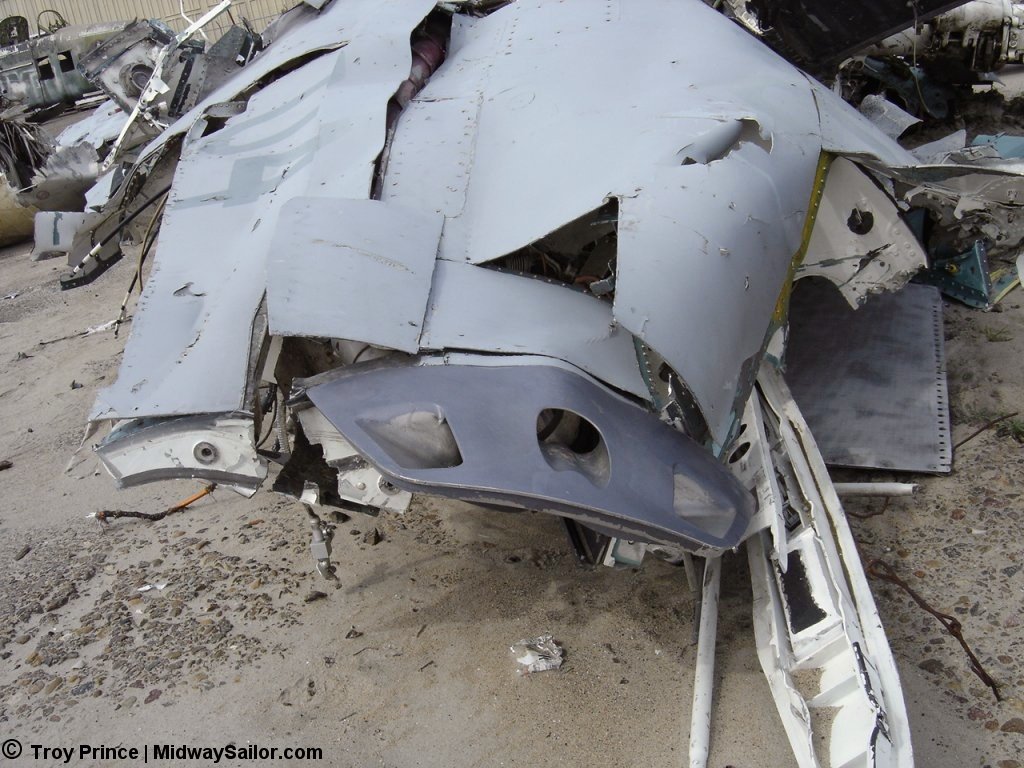
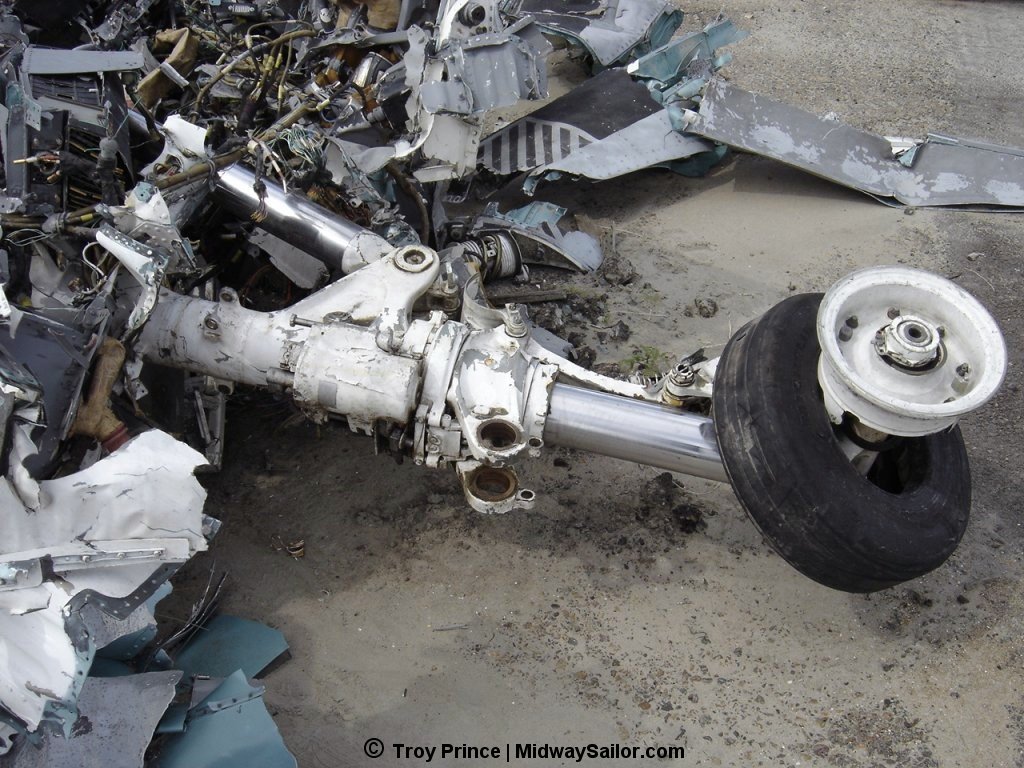
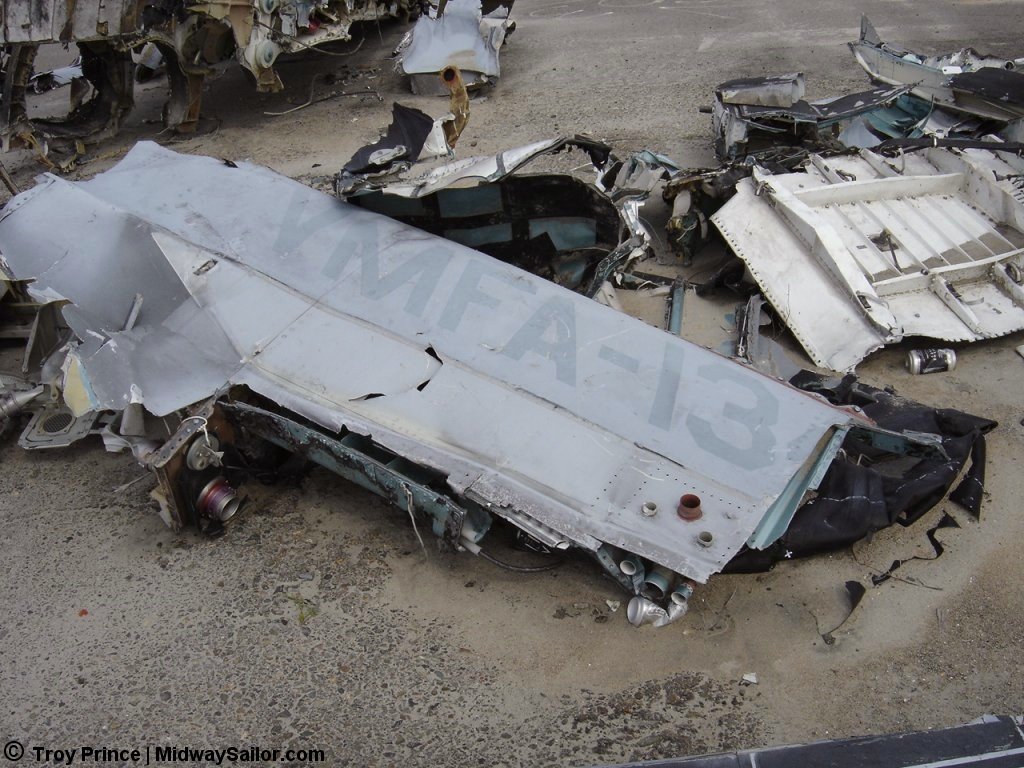
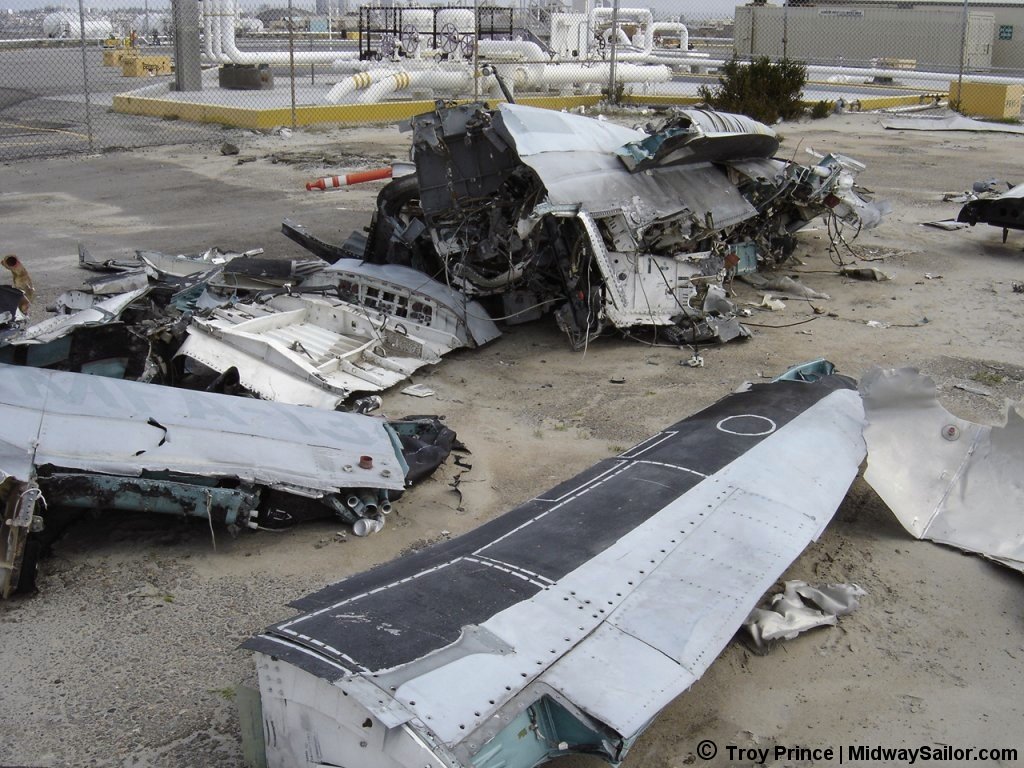
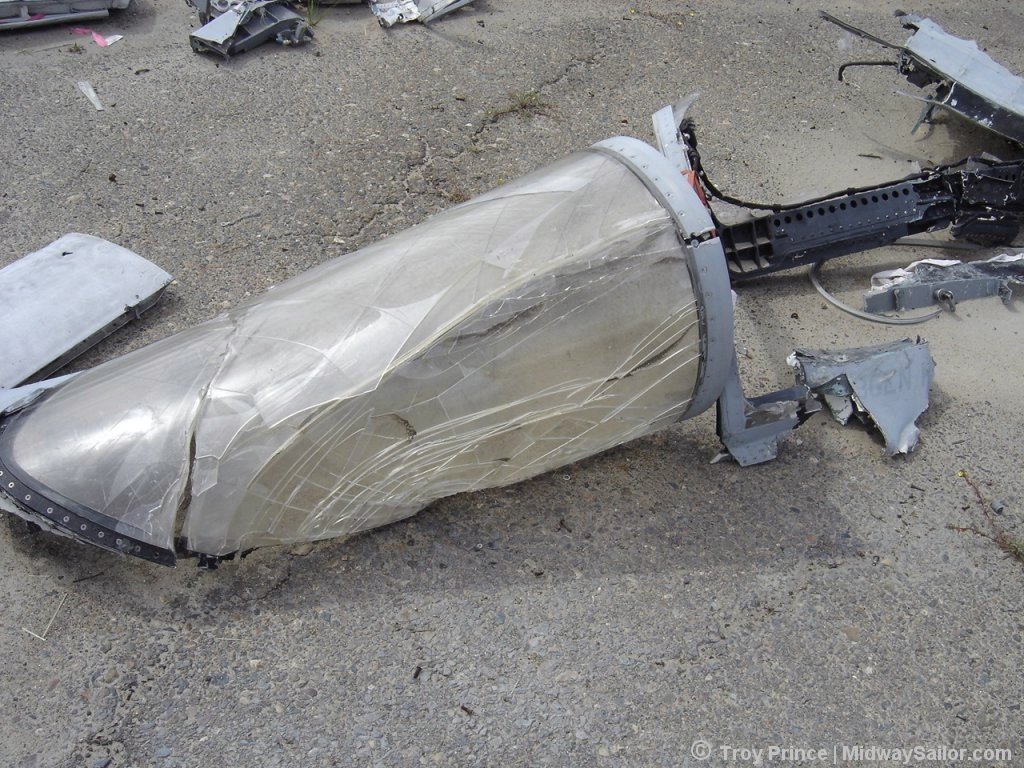
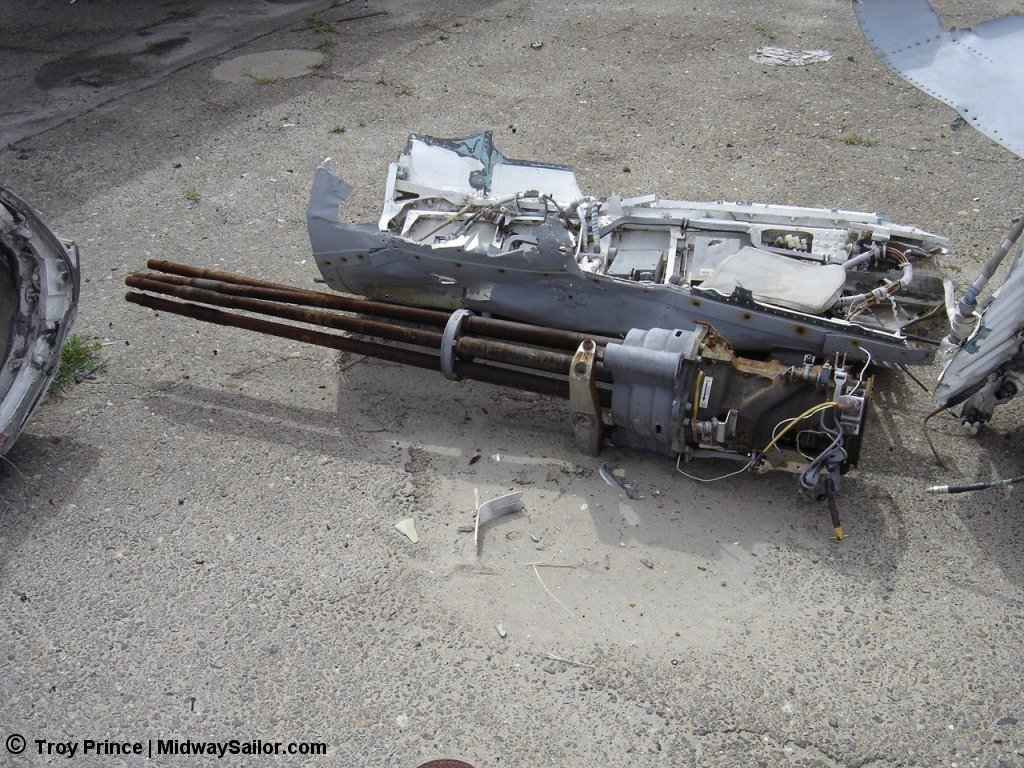
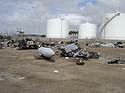
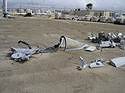
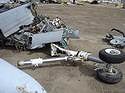
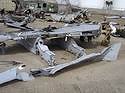
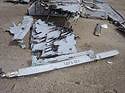
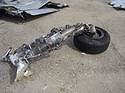
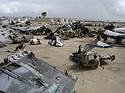
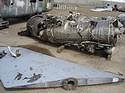
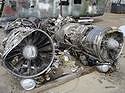
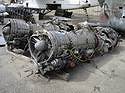
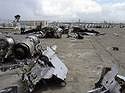
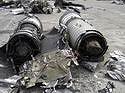
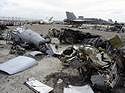
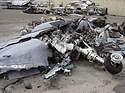
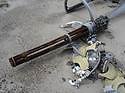
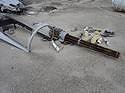
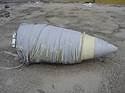
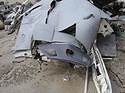
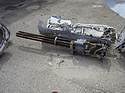
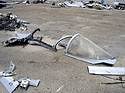
VMFA-134 Smokes ~ F/A-18A & B Hornets
March 2005 |
|
|
 |
 |
 |
 |
 |
|
 |
 |
 |
 |
 |
 |
|
 |
 |
 |
 |
 |
 |
|
 |
 |
 |
 |
 |
 |
|
 |
 |
 |
 |
 |
 |
Crash Date:
July 21, 2004
Story Source:
http://www.marinecorpstimes.com
January 31,
2005
Answers in fatal midair collision
Report: Pilot ‘lost situational awareness;’ lax safety culture cited
By Christian Lowe
Marine Corps Times staff writer
Marine investigators determined that an experienced Reserve F/A-18 Hornet
pilot lost situational awareness during a training flight, leading to a
midair collision that killed two and injured another.
During the July 21 training flight near Arlington, Ore., Maj. Gary R.
Fullerton, safety officer for the Marine Corps Air Station Miramar,
Calif.-based Marine Fighter Attack Squadron 134, pulled his two-seat
F/A-18B Hornet into a right-hand turn and crashed into the tail end of
another, single-seat Hornet piloted by Maj. Craig Barden, also with
VMFA-134. Both Fullerton and his back-seat passenger, Capt. Jeffrey L.
Ross, were killed; Barden ejected safely.
The collision was the fifth accident involving Marine Hornets in fiscal
2004 and contributed to one of the worst years of Marine aviation safety
in more than a decade. Just one month earlier, two Hornets crashed in
separate incidents, killing both pilots.
According to the Judge Advocate Manual Investigation report obtained by
Marine Corps Times through the Freedom of Information Act, Fullerton “lost
situational awareness” when he banked his plane to follow Barden’s
aircraft, which was leading the flight of two.
“Many factors were looked at to determine the cause of this mishap, yet
none stood out as causal,” wrote Brig. Gen. Harold Fruchtnicht, 4th Marine
Aircraft Wing commander, in a Nov. 7 letter accompanying the report. “The
only conclusion that I can make is that some factor caused Maj. Fullerton,
a very experienced Marine Corps aviator and commercial pilot, to lose
situational awareness as he maneuvered his aircraft near his flight lead,
which resulted in the mid-air collision.
“Ultimately, only Maj. Fullerton truly knew what was happening in his
cockpit moments before he impacted with his flight lead,” Fruchtnicht
added.
While the investigation did not find wrongdoing on the part of the
aviators, Fruchtnicht took issue with a seemingly lax safety culture in
the pilots’ squadron. He noted that procedures to make sure the pilots
were qualified to fly were not followed and that the Marine in the back
seat of Fullerton’s Hornet was not qualified to be aboard the flight.
“While these deficiencies cannot be definitively identified as causal
factors contributing to the instant mishap, they must be addressed in
order to ensure the safety of future flight operations within the
squadron,” Fruchtnicht wrote.
Fruchtnicht ordered a team of 4th MAW safety experts to assess the
squadron’s adherence to proper standards by May 2005 and called for a
formal Naval Safety Center survey and “cultural workshop” to be held with
VMFA-134 “as soon as possible.”
Additional opinions and recommendations were deleted from the copy of the
investigation report provided to Marine Corps Times.
The findings dovetail with recent statements by senior Marine officials
who are cracking down fleetwide to avoid another deadly year. Last summer,
Lt. Gen. Mike Hough, deputy commandant for aviation, vowed to hold
squadron commanders and staff accountable for accidents — particularly
because most of the Corps’ crashes occurred during routine portions of
flights, reflecting a lack of discipline and attention to detail.
In October, five senior leathernecks with Marine Light Attack Helicopter
Squadron 367 — including the commander and executive officer — were fired
or reassigned after a rash of accidents during the first few weeks of
their deployment to Iraq caused Maj. Gen. Keith Stalder, 3rd MAW chief, to
lose confidence in the squadron’s leadership. The move marked the first
time Hough’s push for leadership accountability was put into action.
It is unclear whether VMFA-134 will face similar sanctions.
The investigation report brought to light several inconsistencies in the
way the squadron kept Fullerton and Barden qualified to fly — including
incomplete flight training and instrument ratings — and noted that Ross,
who was not a qualified naval aviator, should not have been allowed to fly
in the back seat of the Hornet the day of the accident. Ross was the
squadron’s maintenance officer.
The two aircraft flew out of Portland International Airport at 2:20 p.m.
July 21 in support of a training sortie with the Oregon Air National
Guard, the report stated. Ross accompanied Fullerton for unknown reasons
because squadron officials assumed he was authorized to fly.
According to the investigation report, naval flight regulations state
fighter aircraft may not be used for “point-to-point” transport, and Ross
was not on a special flight for VIPs.
During the flight, Barden — who was in the lead — was told to steer clear
of a nearby training range since Air Force jets were operating there. He
told air-traffic control operators that he would descend and turn around
for a return to Portland’s airport.
As Barden turned his aircraft to the right, Fullerton’s Hornet impacted
the right-rear of his aircraft, causing both planes to break apart. Barden
ejected safely, sustaining injuries to his shoulders and a broken
tailbone.
Back to
the NAS North Island SARDIP gallery index
|